Chinese
 English
 français
 Deutsch
 italiano
 español
 português
 Nederlands
 한국의
한국의




- ホーム
- >
カテゴリ
熱いプロダクト
CN1819321A - 高倍率リチウムイオンバッテリー
Aug 28,20262006年の電極化学的手法による12-15Cの持続放電。スラリー化の前に活物質と導電助剤を乾式粉末で予備混合する手法。TOB NEW ENERGYのチーフテクノロジストが共同発明。
2006年当時、市販のリチウムイオン電池は通常1-3Cの連続放電が限界でした。電動工具には5C、飛行モデルには7C、RC模型飛行機には12C以上が必要とされていました。このギャップが、重くかさばり、メモリー効果という欠点を持つニッケル・カドミウム電池やニッケル水素電池が高負荷市場を支配し続けていた理由です。
2006年3月6日に出願された特許出願CN1819321Aは、特殊な材料を使用することなくこのギャップを解消しました。従来のLiCoO₂と炭素化学を用い、スラリーを混合する前に導電助剤をどのように分散させるかを変えることで、12-15Cを実現しました。20年後の現在、不活性ガス下での乾式粉末予備混合という同じ原理が、TOB NEW ENERGYが製造する乾式電極製造装置の基盤となっています。
Ⅰ. 特許情報
| 公開番号 | CN1819321A |
| 出願番号 | CNA2006100340526 |
| タイトル(オリジナル) | 一种高倍率锂离子电池(高倍率リチウムイオン電池) |
| 発明者 | Lei Yuanbing および Huang Zhengyao(国際的には Dany Huang |
| として知られる) 原出願人 | Shenzhen Liduowei Batteries Co., Ltd. |
| 出願日 | 2006年3月6日 |
| 公開日 | 2006年8月16日 |
| 文書タイプ | 発明 - 公開特許公報(種類コードA) |
| 法的ステータス | 公開特許公報。登録されたB公報は公的記録には見当たりません。2006年の出願日から起算した20年間の最大存続期間は2026年3月に満了しました。 |
| 被引用文献 | 後続の11件の特許に引用されています |
| CPC分類 | Y02E60/10 - 電池を用いたエネルギー貯蔵 |
| 公式記録 | Google Patents - CN1819321A · Espacenet |
これは、以下の人物の記録された発明実績の一部としてここに公開されています。Dany Huang博士(Huang Zhengyao)同氏は現在、TOB NEW ENERGYの中核技術チームを率いています。私たちはこれを、当社が現在所有する知的財産としてではなく、20年にわたる電極エンジニアリングの実践経験の証拠として提示します。
Ⅱ. 2006年当時、なぜこれが重要だったのか
リチウムイオン電池は、1990年代の量産化によって携帯電子機器市場を勝ち取り、電話、ノートパソコン、PDA、ビデオカメラ、デジタルカメラの分野で鉛蓄電池、ニッケル水素電池、ニッケルカドミウム電池に取って代わりました。しかし、高出力の電動工具や模型飛行機といった一部のセグメントは抵抗を示していました。
物理的な制約は厳しいものでした。2006年当時の一般的な電池では、約3Cを超えると性能を発揮できず、内部抵抗が上昇し、負荷がかかると電圧が低下し、使用可能な容量が減少しました。コードレス工具メーカーは、重量、体積、環境負荷、メモリー効果があるにもかかわらずニッケルカドミウム電池を指定し続けました。なぜなら、リチウムベースの電池では、必要な電流で電圧を維持できなかったからです。
当時、2つの道がありました。1つ目は、新しい正極化学物質や新しい導電性フレームワークを用いる方法ですが、これは時間がかかり、コストも高く、実用化まで数年を要するものでした。CN1819321Aは2つ目の道を選びました。実績のある材料を維持し、代わりに電極の微細構造を改良することです。
Ⅲ. 核となる洞察:乾式粉末の予備混合
従来のスラリー調製法では、バインダーを溶媒に溶解し、そこに活物質と導電剤を加えて湿式混合します。導電性カーボンは液相中に分散しますが、その分散はランダムです。一部は活物質粒子同士を橋渡ししますが、多くはそうなりません。
CN1819321Aはこの順序を逆にします。請求項10では、活物質と導電剤を、溶媒を導入する前に乾式粉末として予備混合することを、不活性ガス保護下で行うよう規定しています。
説明されている効果は直接的です。導電剤が各活物質粒子の表面に最初に押し付けられます。その後、バインダー溶液が加えられると、その導電性コーティングはすでに定着しています。その結果、溶媒中にカーボンが統計的に散らばるのではなく、各粒子を包み込む連続的な導電ネットワークが形成されます。
粒子表面の電子抵抗を低く抑えることこそが、電池が12Cを維持できるか、あるいは3Cで崩壊するかの分かれ目となります。
明細書では、これを3つの補助的な対策と組み合わせています。
- ポリマーコーティングされたセパレーター - PP-PE-PP三層または単層PEフィルム上にコーティングされたPVDF-HFP粘性粒子、厚さ0.016-0.025 mm、気孔率40-55%
- 制御された電極圧縮 - 70-150 μm、巻回型および積層型電極群の両方に適用可能
- 導電性電解液添加剤 - ホウ酸塩化合物、請求項には[(CF₃)CHO]₃Bと記載、LiPF₆またはLiBF₄炭酸エステル電解液中に重量比0.1-0.5%
Ⅳ. 技術仕様
カソード - 正極(アルミニウム箔集電体)
| 構成要素 | 質量分率 |
|---|---|
| 活物質 | 75-93% |
| 導電助剤 | 1-20% |
| バインダー | 2-9% |
- 活物質: 1種以上のリチウム挿入酸化物 - LiCoO₂、LiMn₂O₄、またはLiCo1/3Ni1/3Mn1/3O₂
- 導電助剤: アセチレンブラック、Super P、導電性黒鉛(KS-6)、または気相成長炭素繊維(VGCF)
- バインダー: PVDFホモポリマー、またはPVDF-HFP共重合体
負極 - 負極電極(銅箔集電体)
| 構成成分 | 質量分率 |
|---|---|
| 活物質 | 90-97% |
| 導電助剤 | 0-3% |
| バインダー | 2-6% |
- 活物質: 改質天然球状黒鉛、メソカーボンマイクロビーズ(CMS)、またはメソフェーズピッチ系炭素繊維(MCF)
- 導電助剤: Super P、導電性黒鉛(SFG-6 / SFG-15)、またはVGCF
- バインダー: 水系SBR + CMC、または油系PVDF
実施例 - 実施形態1(100-2500 mAhセル、巻回型)
- 正極: LiCoO₂ : Super P : KS-6 : PVDF : NMP = 80 : 7 : 7 : 6 : 55
- 負極: CMS : Super P : SFG-6 : SBR : CMC : H₂O = 94 : 1 : 1 : 2 : 2 : 130
- 工程: 配合 → 塗布 → ロールプレス → シート成形および巻回 → 外装缶挿入 → 電解液注入 → 化成 → 容量選別
明細書には、積層型変形例(実施形態2)、MCF負極を備えたLiCoO₂/LiMn₂O₄混合正極(実施形態3)、およびVGCFベースの導電系(実施形態4)がさらに記載されている。
Ⅴ. 測定性能
仕様書に記載されている、1C放電に対する容量維持率:
| 放電レート | 1Cに対する容量維持率 |
|---|---|
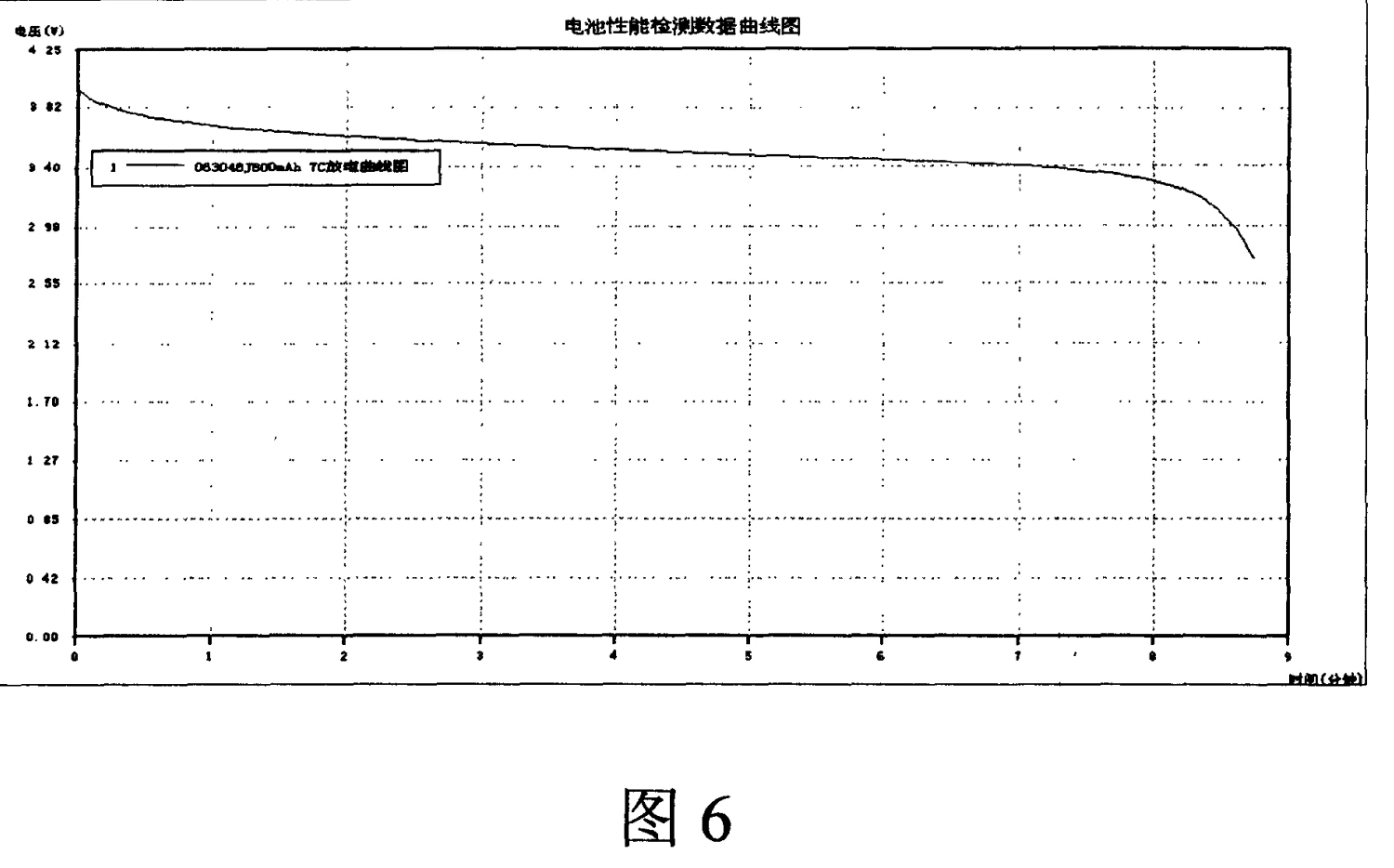
| 5C | 98% |
| 7C | 96% |
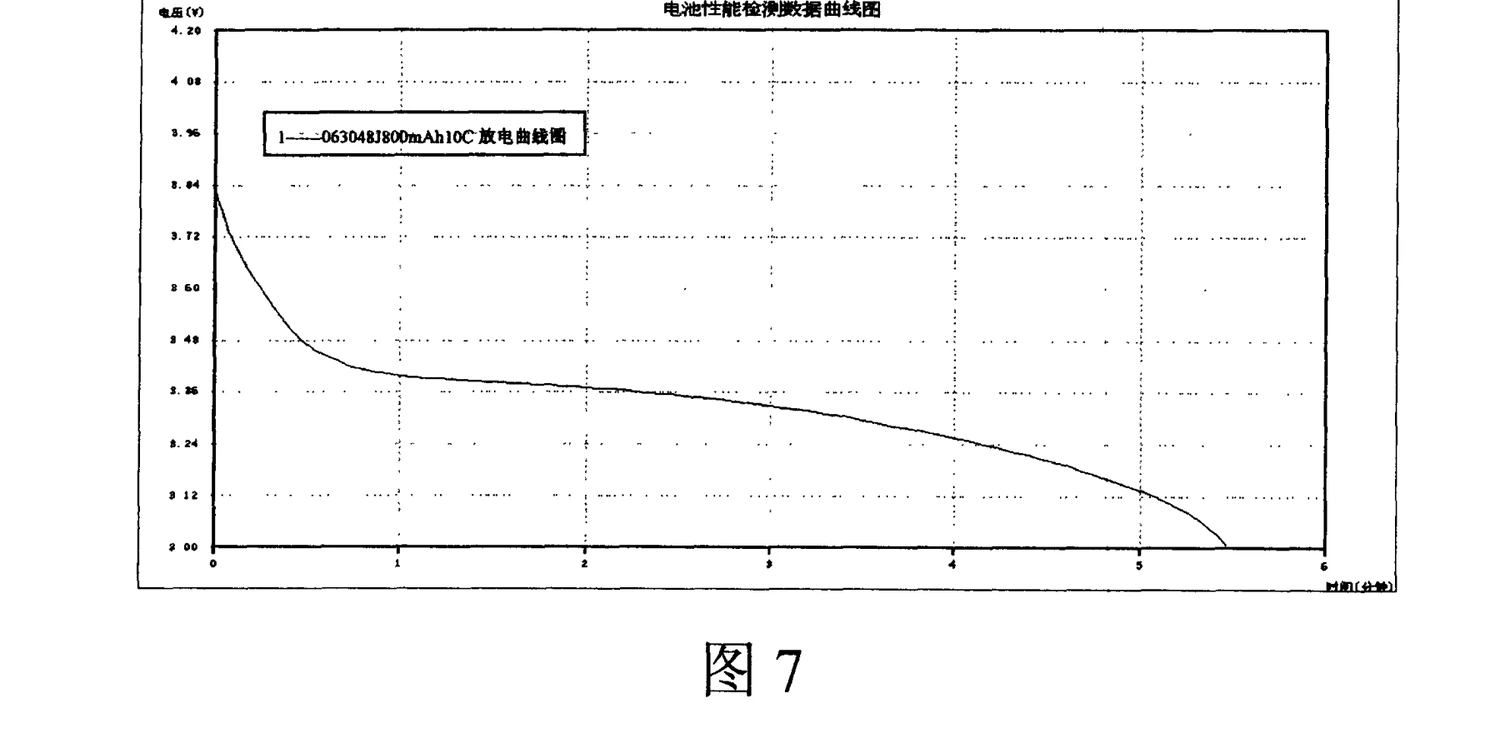
| 10C | 90% |
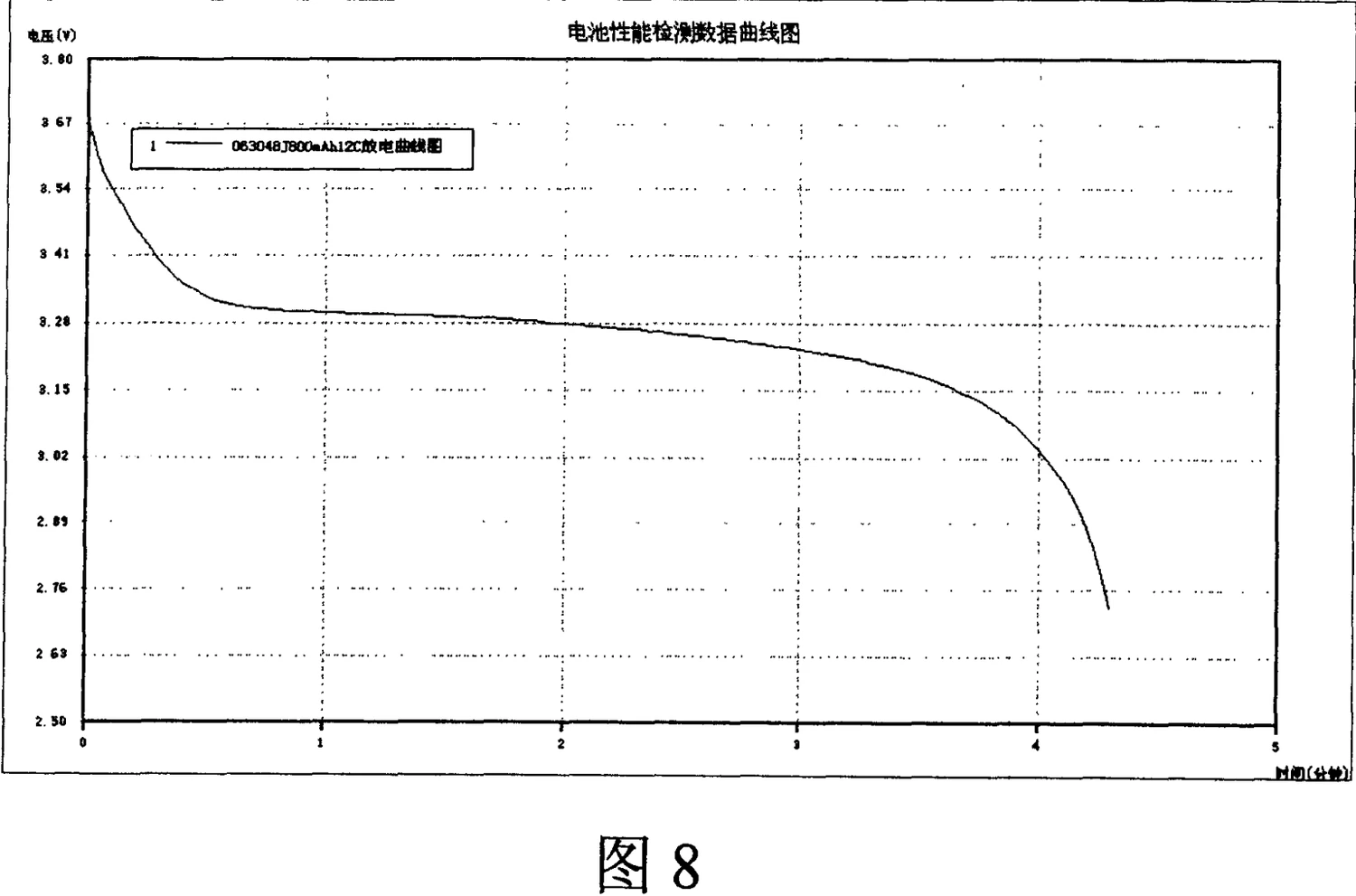
| 15C | 86% |
15Cで公称容量の86%を維持(4分間で完全放電)するという性能は、この設計を当時の商用セルの1~3Cという限界をはるかに超え、模型航空機用途で求められていた12Cという閾値をも上回るものにしました。
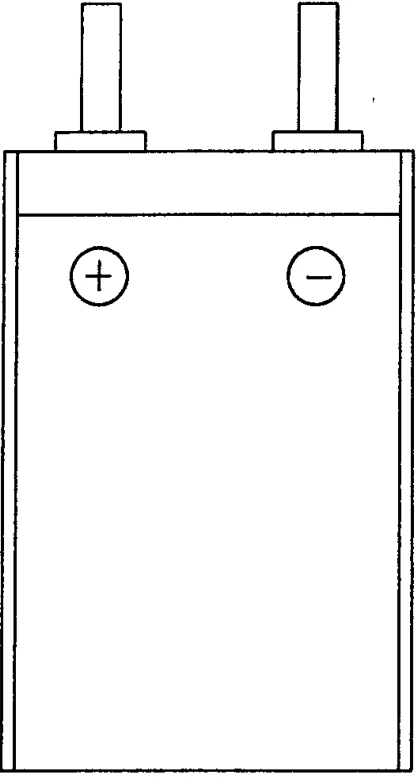
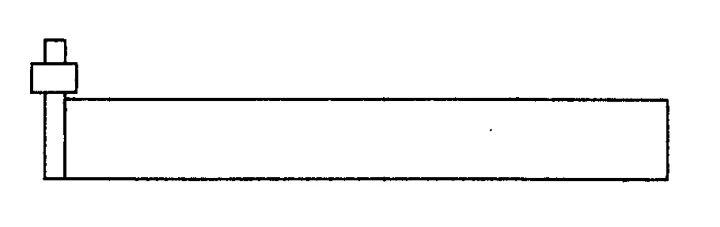
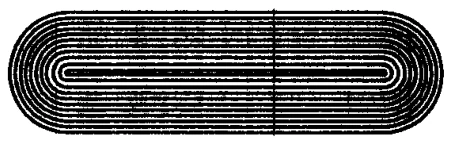
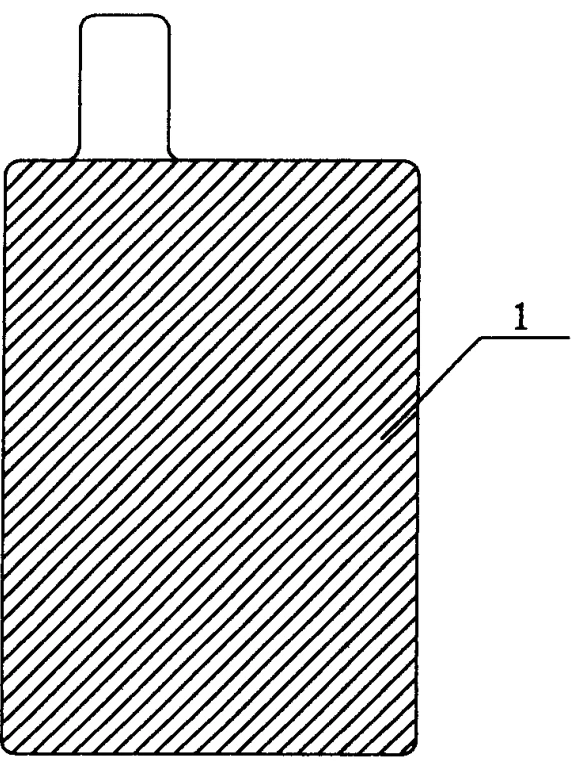
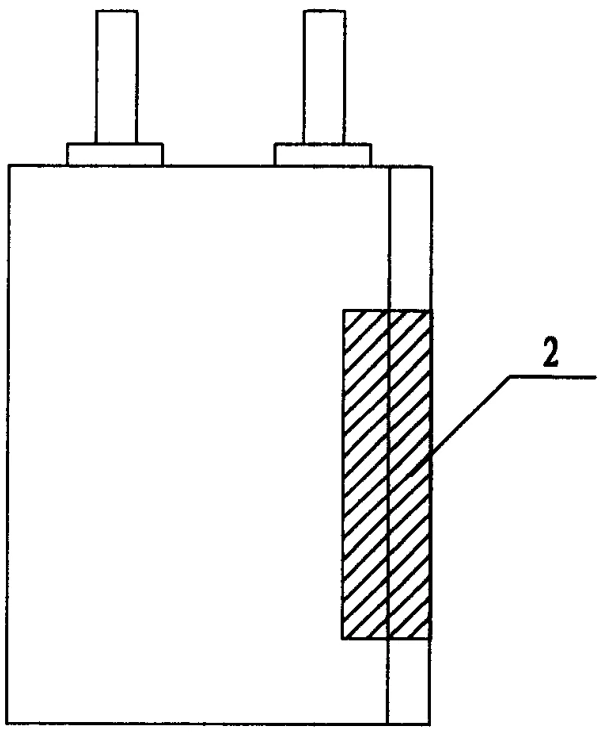
公開された図面には、7C(図6)、10C(図7)、12C(図8)での測定放電曲線のほか、セル構造の概略図(図1)、巻回電極の形状(図2-3)、積層電極の形状(図4-5)が含まれています。
Ⅵ. 2006年の特許から2026年の生産設備へ
請求項10のドライプレミックスの原則は、2006年で止まったわけではありません。
溶剤と接触する前に活物質全体に導電剤を分散させるという手法は、現在業界で「ドライ電極プロセス」と呼ばれている技術の概念的な先駆けであり、高エネルギーセルや全固体電池向けに現在スケールアップが進められている、溶剤使用量を低減したプロセスや溶剤フリーのプロセスの源流となっています。
TOB NEW ENERGYは今日、まさにそのプロセスのための設備を製造しています:
- ドライ電極フィルムソリューション - ドライプロセスによる電極フィルム成形
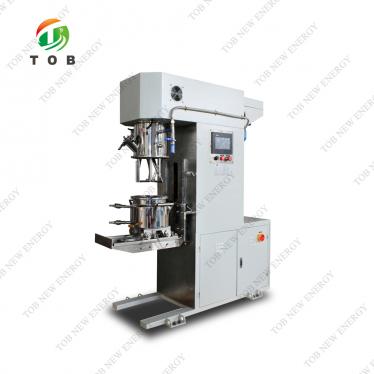
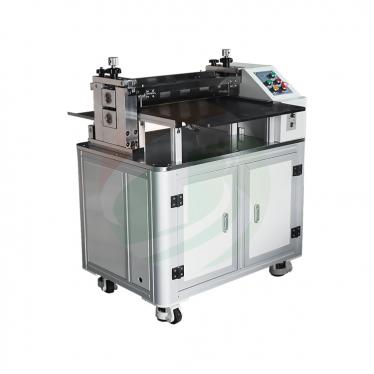
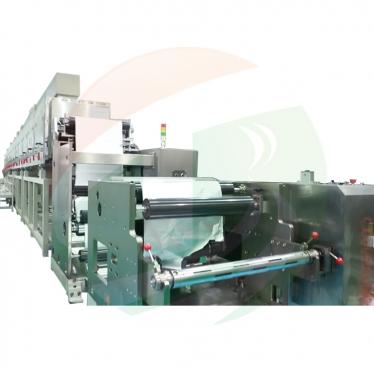
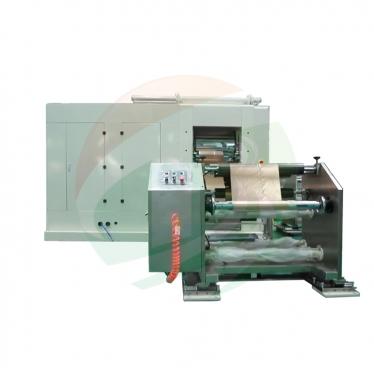
- 電極製造 - 混合、コーティング、カレンダー加工
- 全固体電池製造装置 - ドライプロセスが事実上必須となる分野
2006年のアプローチを共同発明したエンジニアが、現在その設備を仕様策定するチームを率いています。2006年の研究室での洞察と2026年の生産ハードウェアというこの継続性こそが、お客様がTOBを選ぶ理由です。
全記録を見る:TOB技術チームによる全特許
Ⅶ. よくある質問
CN1819321Aはどの程度の放電レートを達成しますか?
2006年当時の商用セルで一般的だった1~3Cの持続放電能力を12~15Cまで引き上げます。1Cに対する測定容量維持率は、5Cで98%、7Cで96%、10Cで90%、15Cで86%です。
CN1819321Aにおける主要な製造ステップは何ですか?
ドライ粉末のプレミックスです。活物質と導電剤を不活性ガス雰囲気下でドライ粉末として混合してからバインダー溶液を導入することで、導電剤がまず活物質の粒子表面全体に分散されます。これにより、従来の湿式混合で生じるランダムな分散ではなく、連続的な導電ネットワークが形成されます。
CN1819321Aでは、どの電極にどの配合を使用しますか?
カソード(正極、アルミ箔上)には活物質75~93%、導電剤1~20%、バインダー2~9%を使用します。アノード(負極、銅箔上)には活物質90~97%、導電剤0~3%、バインダー2~6%を使用します。Google Patentsの機械生成要約を含む本資料の自動英訳では、これら2つの名称が逆に記載されています。
CN1819321Aは誰が発明しましたか?また、TOB NEW ENERGYが所有していますか?
これはLei YuanbingとHuang Zhengyao(Dany Huang)の共同発明であり、2006年にShenzhen Liduowei Batteries Co., Ltd.によって出願されました。2012年に設立されたTOB NEW ENERGYは、この特許を保有していません。これはDany Huang博士の記録された発明実績の一部としてここに公開されており、同博士は現在TOBの中核技術チームを率いています。
CN1819321Aの現在の法的ステータスはどうなっていますか?
CN1819321Aは公開された発明出願(種類コードA)です。公開記録上、権利化されたB公開は見当たりません。2006年3月6日の出願日から起算した20年の最大存続期間は2026年3月に満了しました。技術開示内容はパブリックドメインにあり、参照用としてここに転載しています。
2006年の特許が、今日のTOBの装置とどのように関連していますか?
ドライプレミックスの原理は、現代のドライ電極プロセスの概念的な先駆けであり、溶媒低減ルートは現在、高エネルギー電池や全固体電池向けにスケールアップされています。TOB NEW ENERGYは、この共同発明者が現在率いるチームによって仕様策定された、このアプローチを工業化するドライ電極フィルム装置および電極製造ラインを構築しています。
Ⅷ. 公式記録および図面
- Google Patents - CN1819321A(全文、特許請求の範囲、11件の被引用文献)
- 全図面を含む公式PDF
- Espacenet記録
 購読する
購読する